“The thing about symmetry is that the beholder is positioned at the centre of the image”1
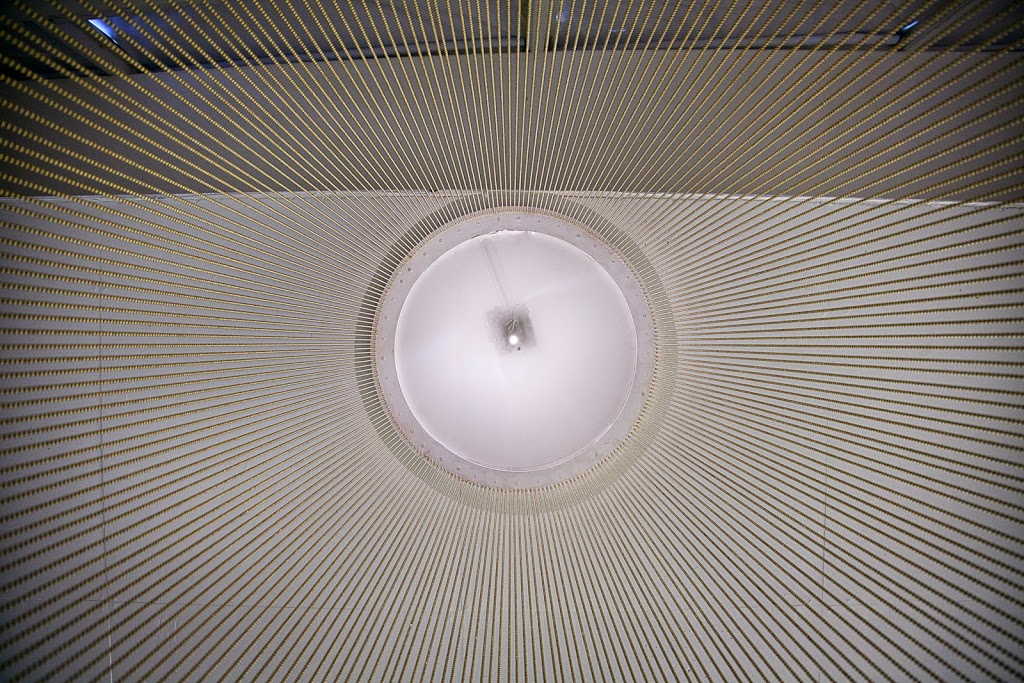
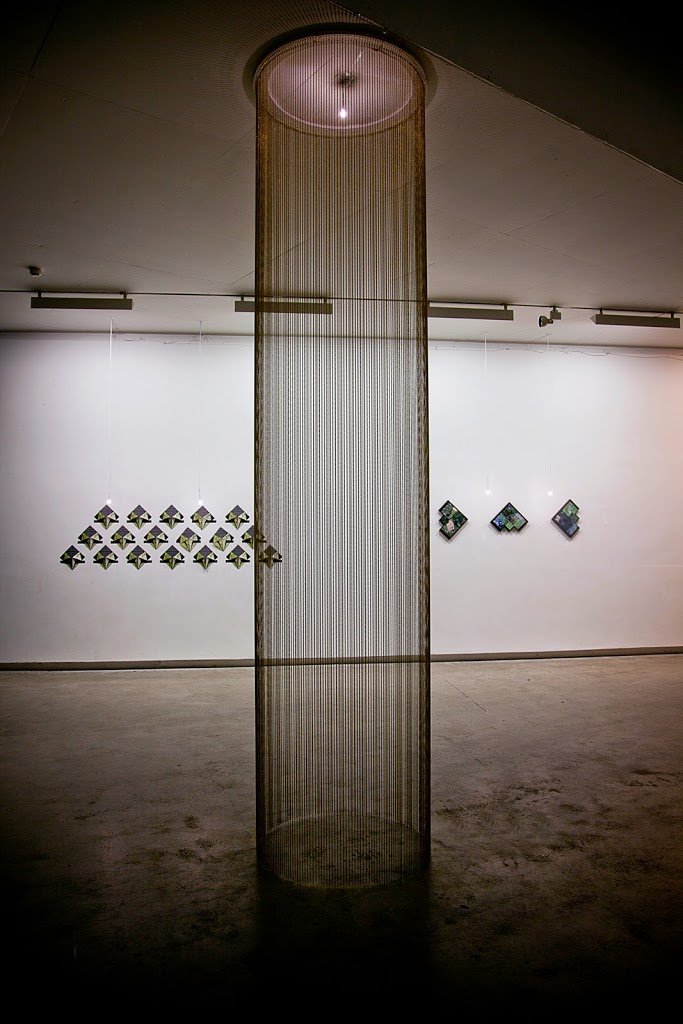
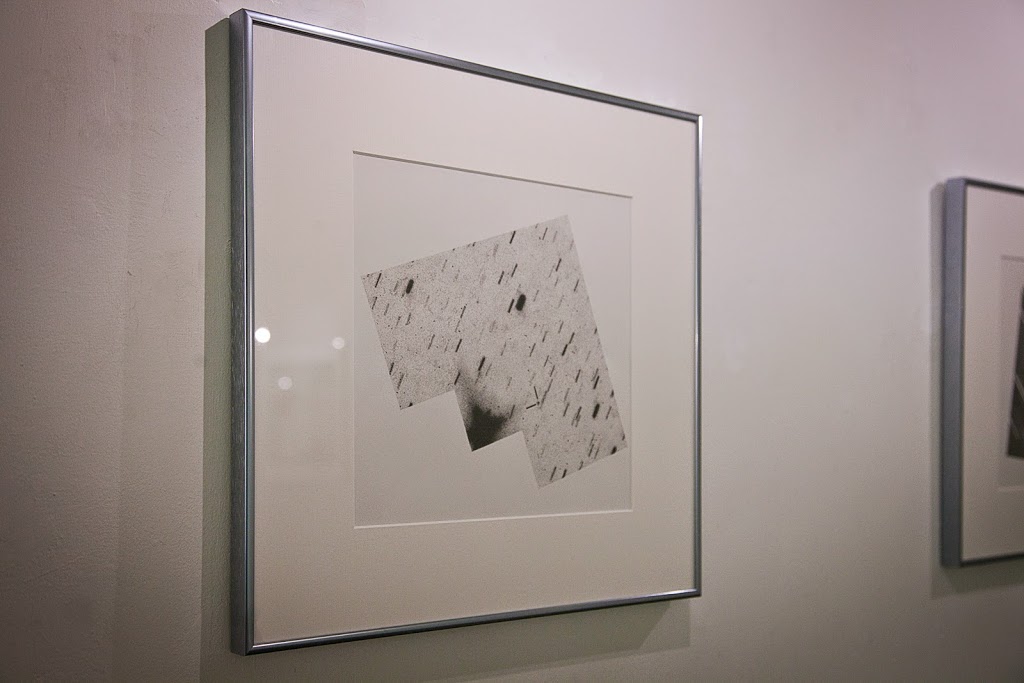
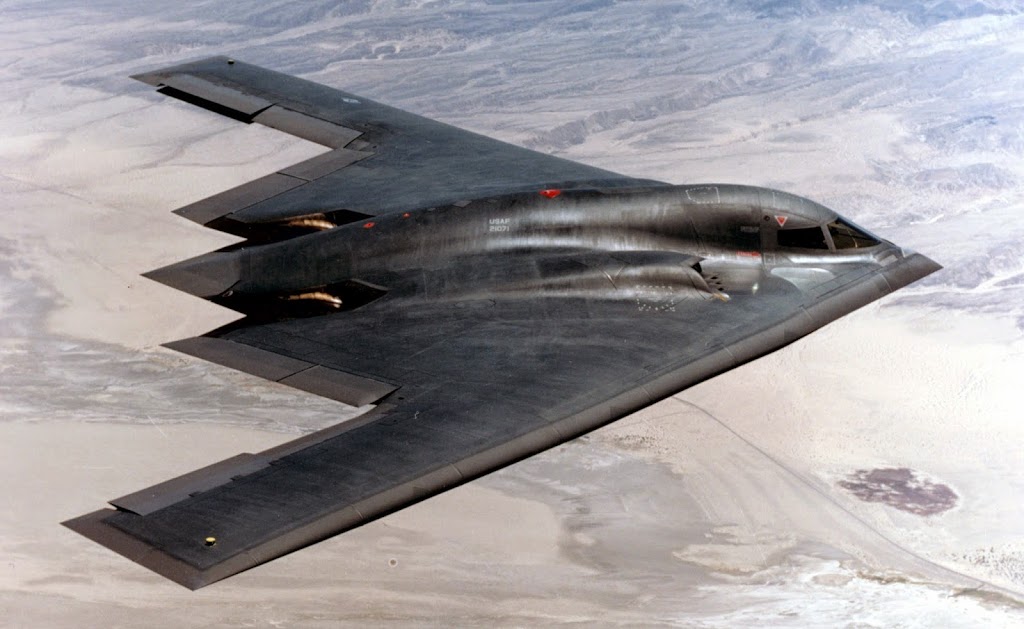
The strongest works in the show, and what I would guess are the most involved, were exceptionally detailed pencil drawings of the cosmos. Four of them in total, McKenna explains on her website that “two of the works, Herschel and Rosetta were a collaboration with astronomer Nick Howes, wherein I drew some of his photographs of distant man-made spacecraft.” No doubt pieced together from square source photos, both are strangely pyramidal in shape. Stars streak across, activating them as the shapes become objects with cartoon motion lines. With its jagged base, it recalls the shape of the Stealth Bomber, or, equally, Carl Andre’s corner metal triangle installations.
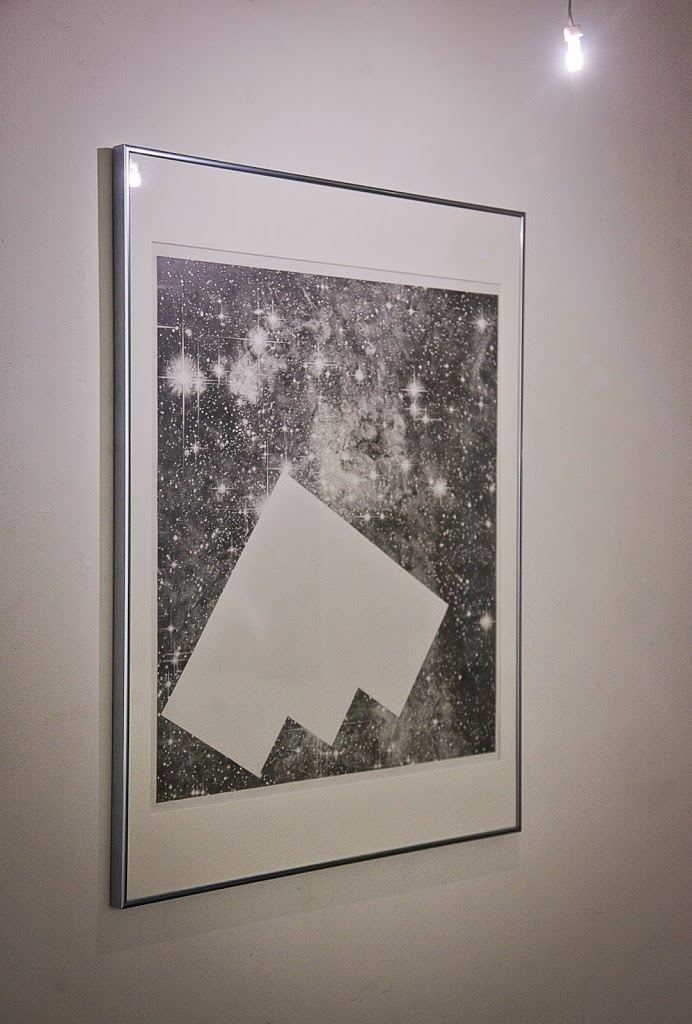
The other two painstakingly crafted drawings have this same shape, only removed like a missing piece of a puzzle. These, in contrast, are static. They are NGC 346 and LH 95, drawn from photos of of gaseous nebula from ‘neighbouring’ galaxies recorded from light traveling hundreds of thousands of years. The sense of time is heightened with McKenna’s own investment of time. The dark matter of graphite is capable of holding the viewer. [Insert gravity pun here.]
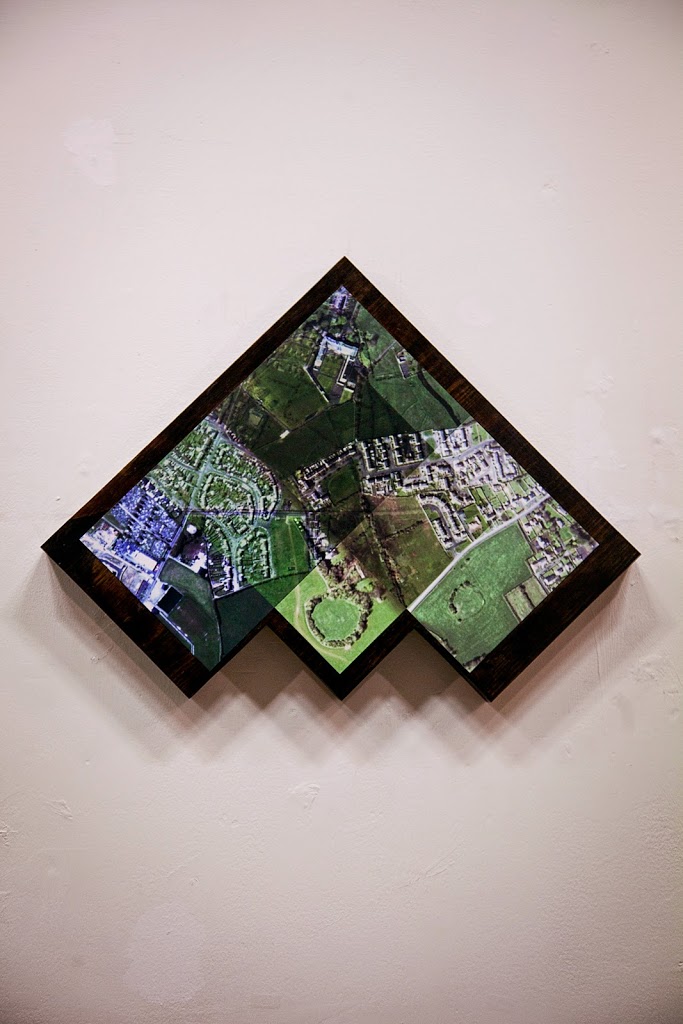
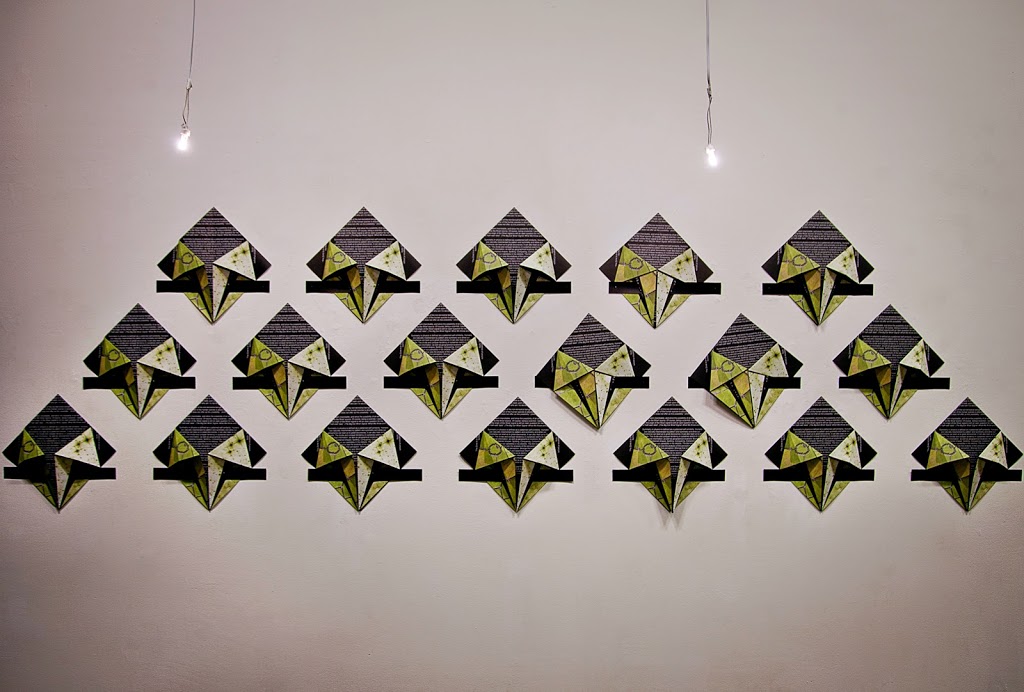
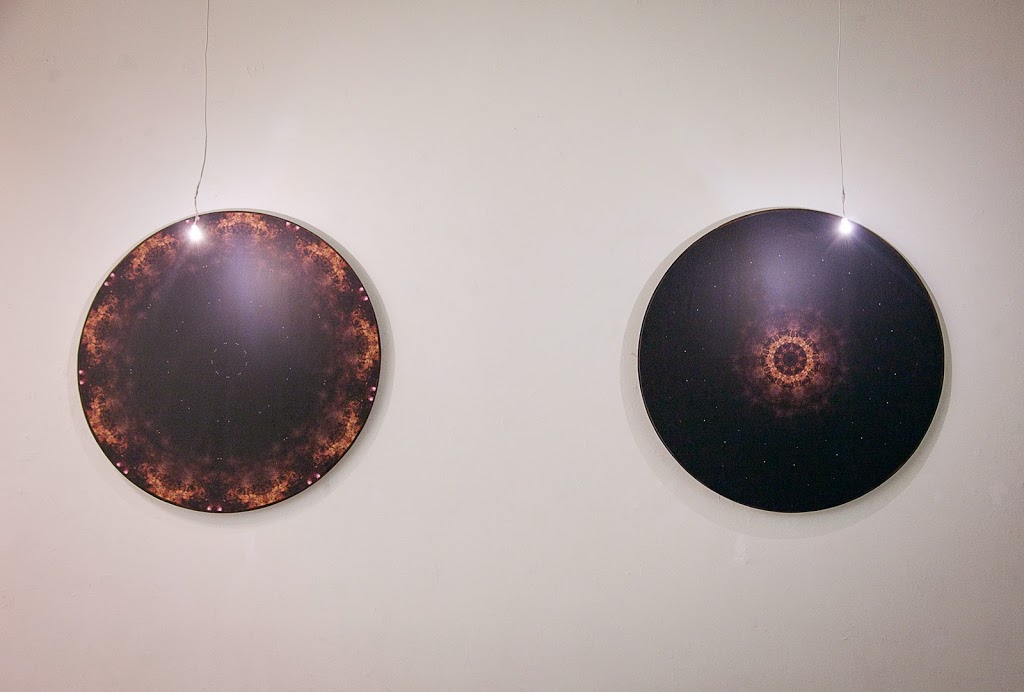
Within the generous trapezoid gallery of The Source, the shape of McKenna’s show is well rounded. She explores a number of themes within, from the local to the intergalactic, presenting them with polish, and handling the space adeptly through this multidisciplinary installation. Unfortunately, I feel the earthbound works on their own explore previously trodden territory. And those kaleidoscopic, from ‘out of this world’, are somewhat… distant. Both become background to the series of drawings, so deftly executed and gorgeous, manifested through a rare moment of collaborative focus between artist and scientist.
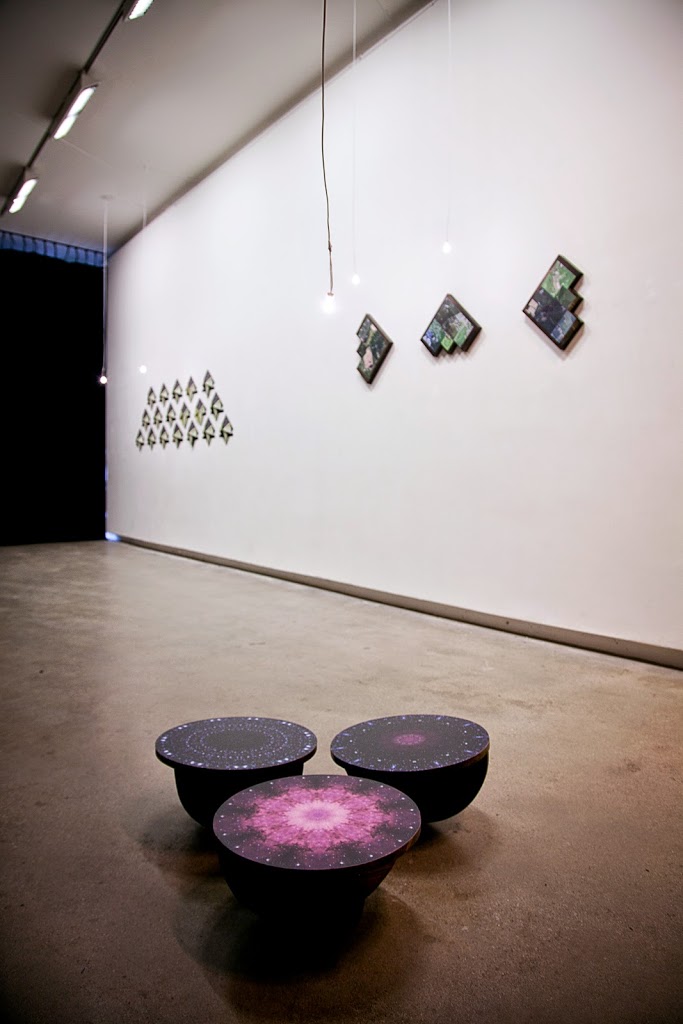
1 From Notes on Perception, Reality and Ringforts.
What do you think?