August 2026
Helsinki has changed a great deal since I got my first taste of the city. That was in the 1990s, which – when I think of that period – calls up two key experiences. The first is of ARS95. That survey filled the Finnish National Gallery’s Ateneum Museum (Ateneum) with works by Anish Kapoor, Portia Munson, Anthony Gormley, Alfredo Jaar, Yayoi Kusama, Helen Chadwick, Bruce Nauman and many other well-known artists. The second memory, on the other hand, centres on what appeared to be an ubiquitous source of inspiration among domestic artists – and that was nature. But how times change!
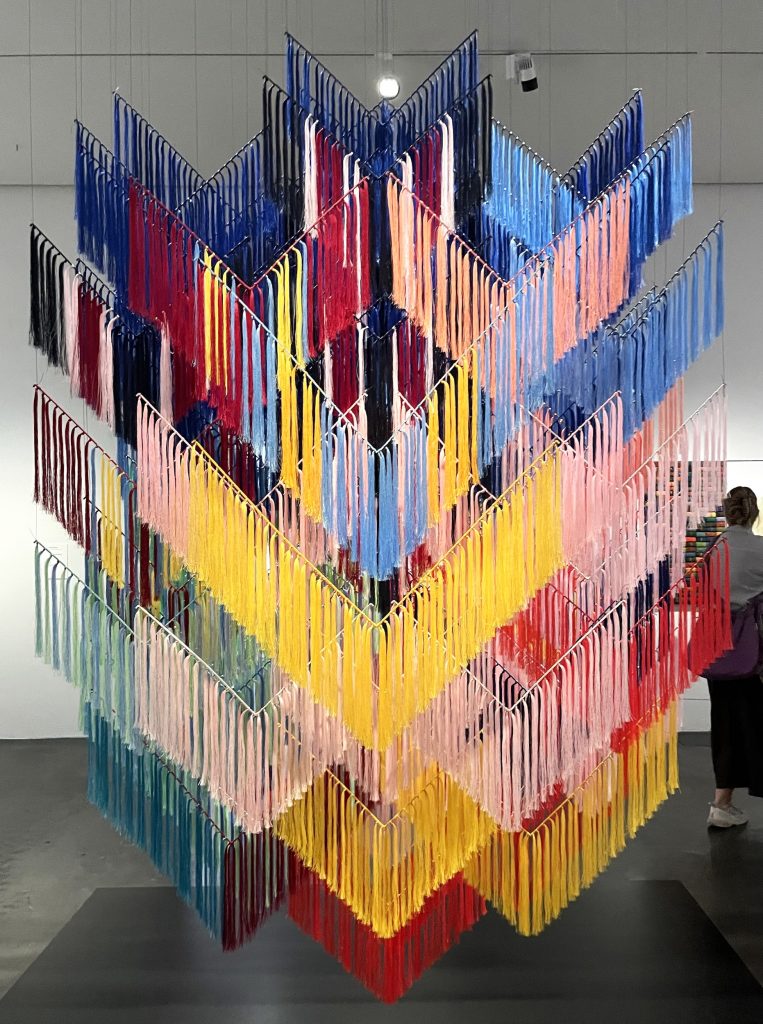
This seemingly narrow focus has given way to a multiplicity of concerns in Helsinki’s art scene today. While nature-related art projects remain plentiful, the current state of the environment has generated a raft of new perspectives related to local and global futures. The Helsinki Biennial provides one of the best examples of this evolution. Launched in 2021, the event, which to this point has focused on sustainability, the process of noticing, and shelter, has been presented in the Helsinki archipelago’s Vallisaari Island, Esplanadi Park, Helsinki Art Museum (HAM) and at other city locations. “Helsinki Biennial 2027” curators are Mami Kataoka, Director of Tokyo’s Mori Art Museum, and Arja Miller, Director of Helsinki Art Museum.
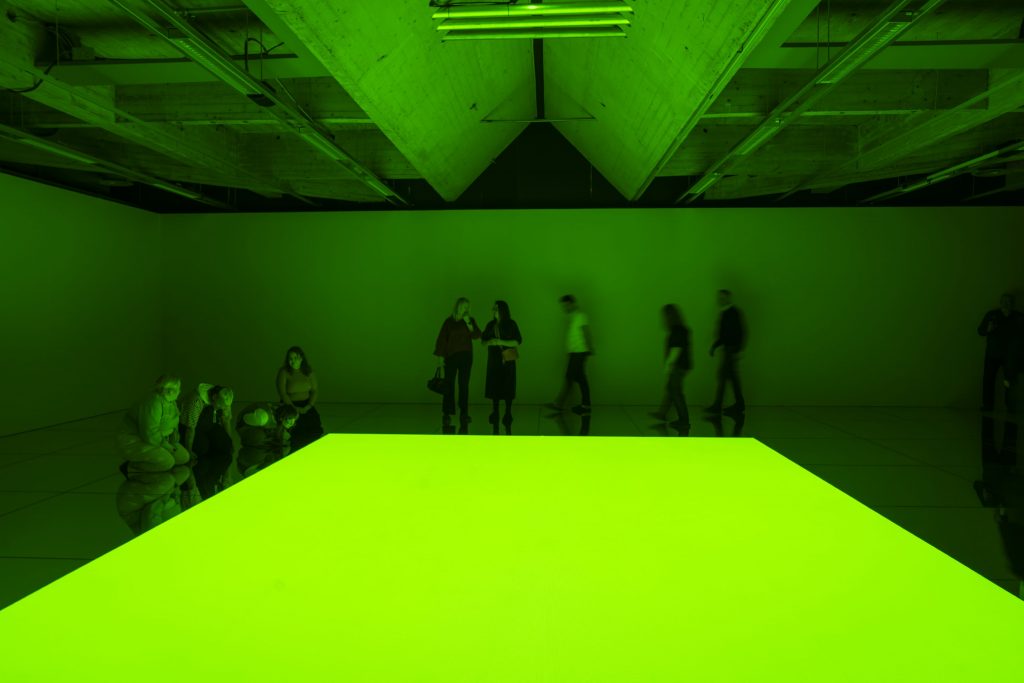
For anyone new to the city, the fact that most major museums, many commercial galleries and five out of the six galleries operated by Finland’s national art associations are in or very near the city centre is an very advantageous feature. Within the kilometre that separates HAM from the Ateneum Art Museum (Ateneum), the visitor will also find Kunsthalle Helsinki (Taidehalli, in Finnish), Museum of Contemporary Art Kiasma (Kiasma) and Amos Rex. Other major institutions include Art & Design Museum Helsinki (AD Museum Helsinki), which is a short walk away in the Design District, the Finnish Museum of Photography and the Espoo Museum of Modern Art (EMMA). While the Finnish Museum of Photography, located at the Cable Factory in the Ruoholahti neighbourhood, is somewhat further from the centre, EMMA is located in the city of Espoo just west of Helsinki. Nevertheless, EMMA can easily be reached by taking Helsinki’s one and only subway line to the Tapiola station and then spend 15 minutes walking to the museum.
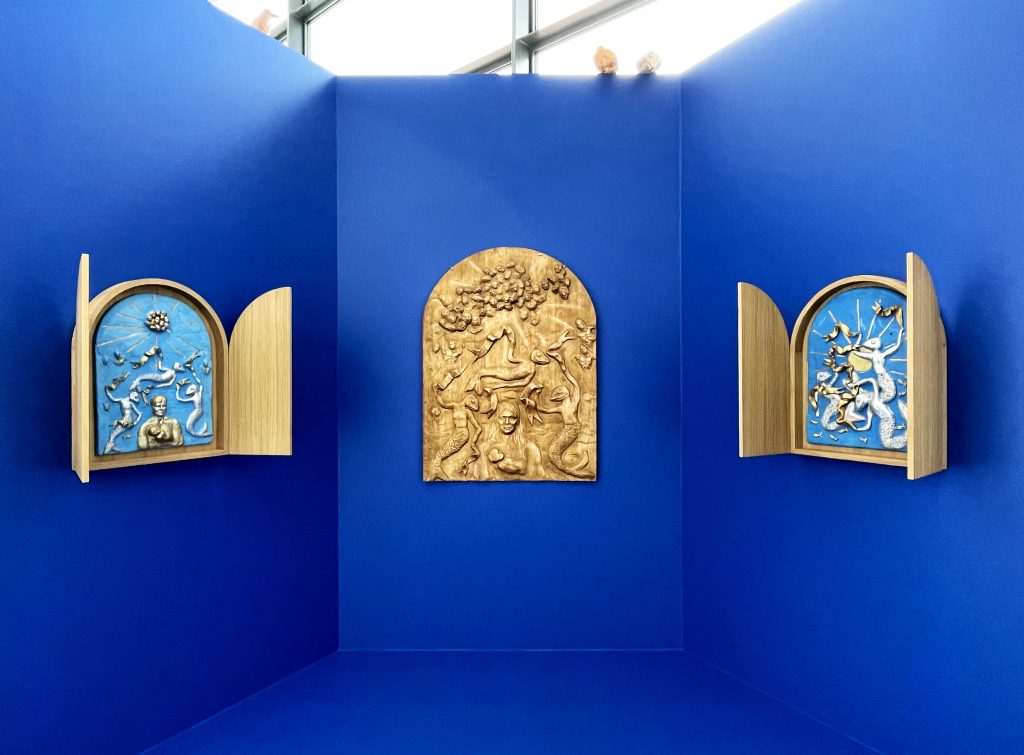

Exhibitions of note at Kiasma include “Edith Karlson: Dawn to Dawn,” a survey of the Estonian artist’s evocative large sculptures (17 April – 27 September 2026), and the vibrant “We Who Remain.” This group show features works by the well-known Outi Pieski and Britta Marrakatt-Labba, plus eighteen other Sámi artists. Hailing from the parts of the Sápmi region that span the north of Norway, Sweden and Finland, the presentation attests to their enduring identity and culture (27 March – 6 September 2026). At EMMA, viewers can immerse themselves in “Antti Laitinen: Chiming Forest.” This makeshift forest, assembled out of many bits of found wood, is an alluring kinetic sound installation (24 September 2025–23 August 2026). Coincidentally, the group show “In Search of the Present: On Rootlessness” (14 April 2026 – 7 February 2027) contrasts with Kiasma’s “We Who Remain.” Made up of works ranging from large scale installations to more intimate pieces, it invites viewers to consider the negative and positive aspects of mobility, disconnection, shifting identities and the idea of home. Participating artists include Marina Abramović, Tarik Kiswanson, Helen Pashgian and Danh Võ and others.
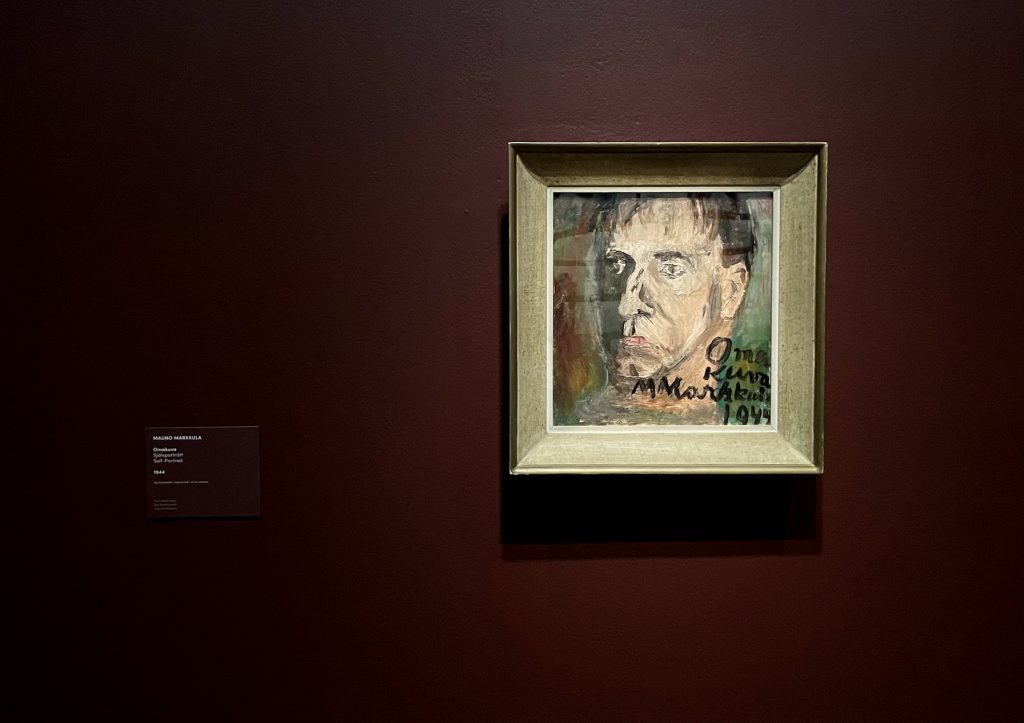
Some of Dublin’s gallery-going denizens may recall seeing the altered album covers and listening to his self-referencing vinyl album, A Tribute To Petri Ala-Maunus “Oh Baby, Baby, Baby, Baby” (2009), at mother’s tankstation years ago. Having switched to painting epic landscapes, a large selection of them can now be viewed in “Petri Ala-Maunus and Mauno Markkula: Blazing Sky” at HAM (13 March 2026 – 31 January 2027). Though the project creates a dialogue between landscapes painted more than half a century apart, what really drew me in was the wholly imbalanced juxtaposition of self-portraits in the exhibition’s first space. There, viewers encounter a single, small Markkula self-portrait on a large and otherwise empty wall, whereas its counterpart comprises a field brimming with dozens and dozens of Ala-Maunus’ open sketchbooks that provide an outsized peek of the daily self-portraits he’s been making since 2017.

Two recurring overviews definitely worth seeing are the series of “Young Artists” and “Generation” exhibitions, as both hold examples of artists who have considerable talent. This year, their timing happened to overlap: “Young Artists 2026” at Kunsthalle Helsinki (29 May – 19 July 2026) and “Generation 2026” at Amos Rex (13 May – 6 September 2026). And while both do spotlight young artists who have been selected from the many responding to the respective events’ open calls, the parameters guiding each presentation are quite different. For example, “Young Artists,” which was founded in 1939, focuses on artists under the age of 35 and follows a biennial format. The 2026 exhibition comprised 26 artists. “Generation,” on the other hand, is a triennial. The current edition – its fourth presentation – includes 50 artists between the ages of 15 and 23 that were selected from 647 applications.
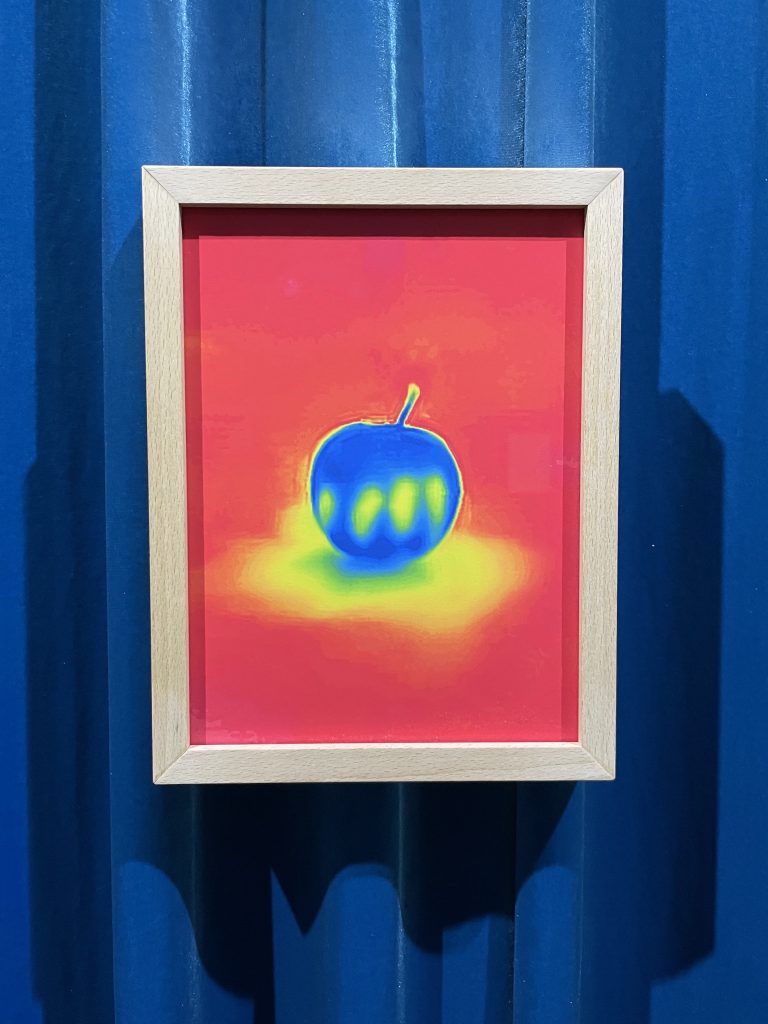
My personal “Young Artists 2026” favourites include Return (2020-2025) by Yufan Lu (CN/FI), who used a thermal camera and her body to carry out an act of remembrance dedicated to her grandmother, and Untitled (2025) by Xaio Zhiyu (CN/FI). The size and shape of Zhiyu’s small oil on canvas image initially confuses, as it’s easily mistaken for the device that generates the images Zhiyu will paint. Adding a potent dose of black humour is Oskar Partanen’s (FI) One Trip Make the Most of It (2025). This incisive and axiomatic kinetic scenario effectively equates roadkill with life’s brevity. Edgelord (2026) by Elias Langi (FI), consists of a large 3-dimensional grid composed of white, tactile, cross-like segments, the form of which simultaneously reminds me of the human muscle system and manifest grief and remembrance. Perhaps it shouldn’t be surprising that the sculpture includes 500 kilograms of candle wax sourced from local cemeteries.
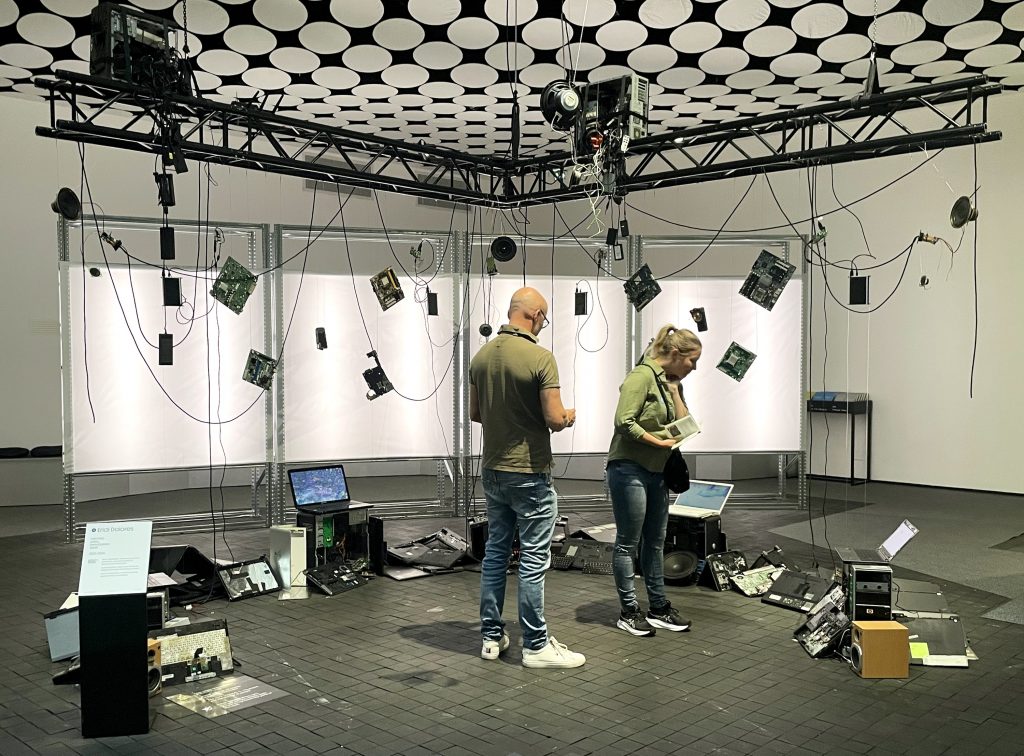
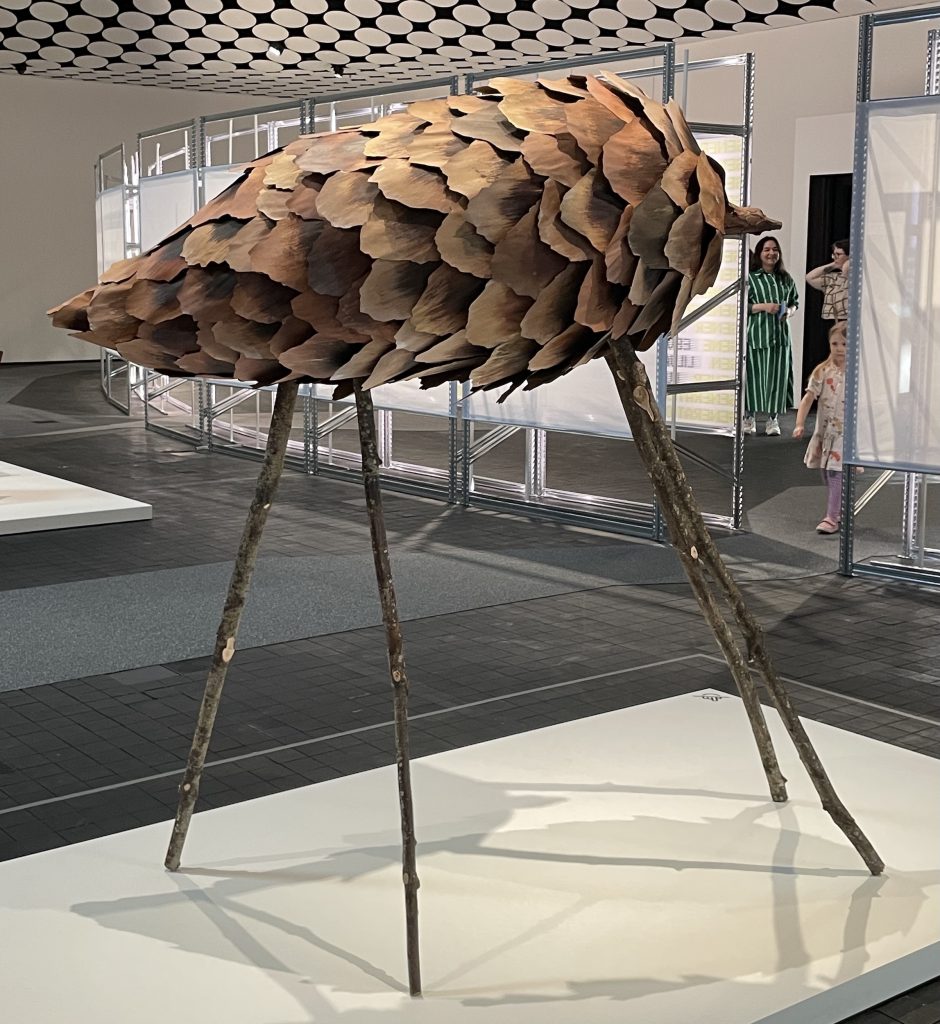
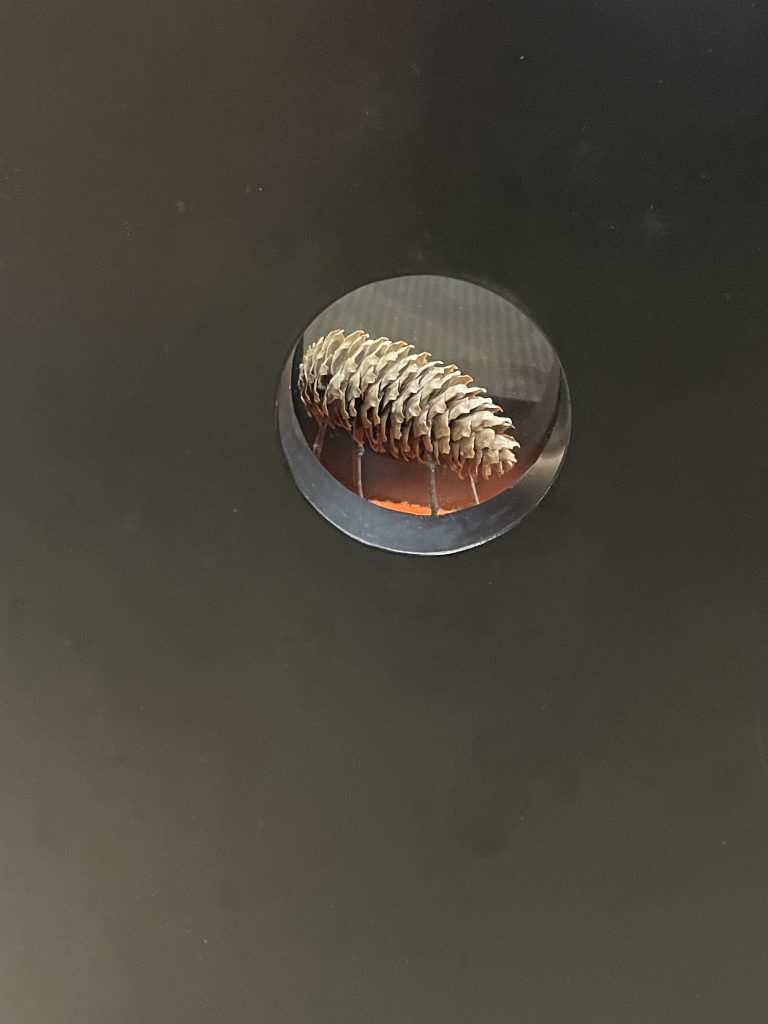
In my view, the diversity of concepts, materials and approaches embodied in the work by artists participating in “Generation 2026” is no less remarkable than “Young Artists 2026.” Unforgettable works include Do you remember me? (2024), by Viola Rauta (FI) and Hechizo (2025-2026) by Erial Dolores (MX). Rauta’s inherently well-crafted pinecone with its deftly coloured paper scales and wooden legs is not only said to be a ‘cone cow’, but also shoots one back to childhood and the self-made toys with which many of us played. Moreover, this mesmerising work turns magical upon the discovery of, what I suspect, represents its inspiration – an actual pinecone supported by twigs. Ensconced in a small, glass fronted space in a bank of black lockers at the back of the museum’s cloak room, I would never have noticed it if another museum visitor hadn’t been looking for that object or the video installed in similar way. Equally mesmerising is how I would describe the array of recycled elements comprising Dolores’ sound installation. Amos Rex’s guide booklet, though, states: …hechizo is anxiety. It is the nagging feeling that the trash is alive, and at some point, it is going to bite back.” Whether this sentiment is irrational or somehow feasible is difficult to say. But I do know – though feel might be a better word – is that the Sci-Fi-like vision it conjures persists in the memory.
One aspect of Helsinki that continues to evolve and grow is the number and variety of international artist practitioners. Their presence is augmenting and enlivening the scene by introducing a broader range of perspectives and potential approaches. No doubt some of those who study at Aalto University’s School of Arts, Design and Architecture or Uniarts Helsinki (an amalgamation of the Sibelius Academy, Theatre Academy and Academy of Fine Arts) contribute to this demographic, as may students in the city’s private art schools, participants in the Helsinki International Artists Programme (HIAP) – a Temple Bar Gallery & Studios partner – or residency programs in other parts of Finland. Evidence of this is also present in the makeup of artist-run galleries, art collectives and artists’ associations. In fact, one of the organisations – Catalysti – was expressly founded to support transcultural artists.
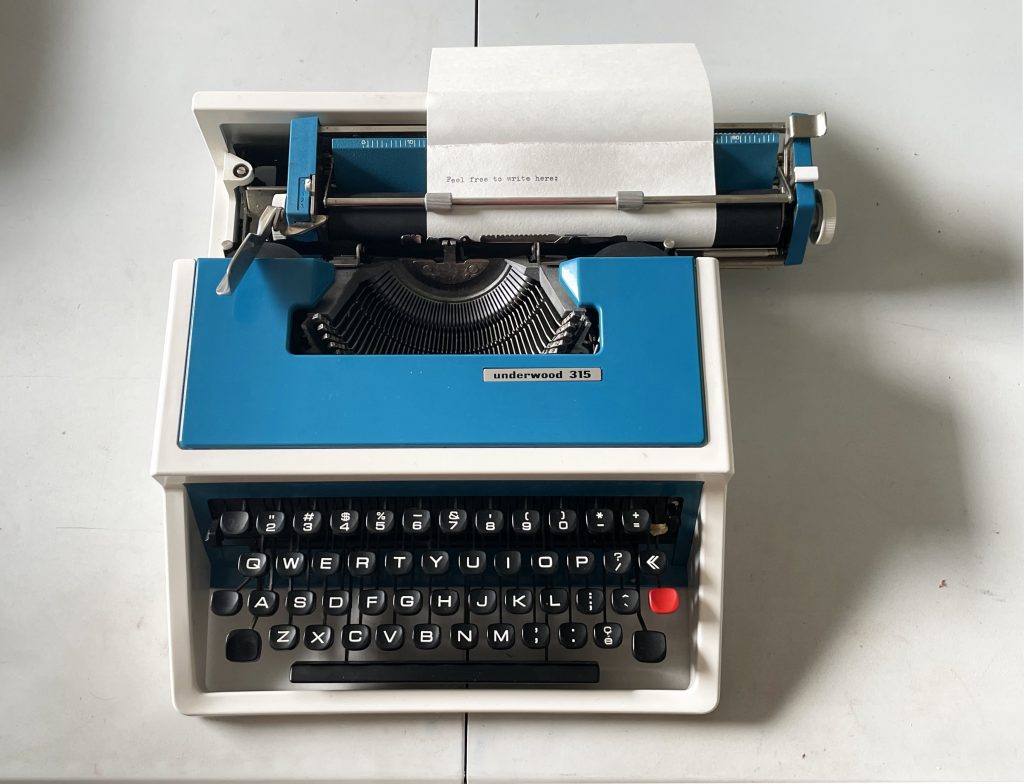
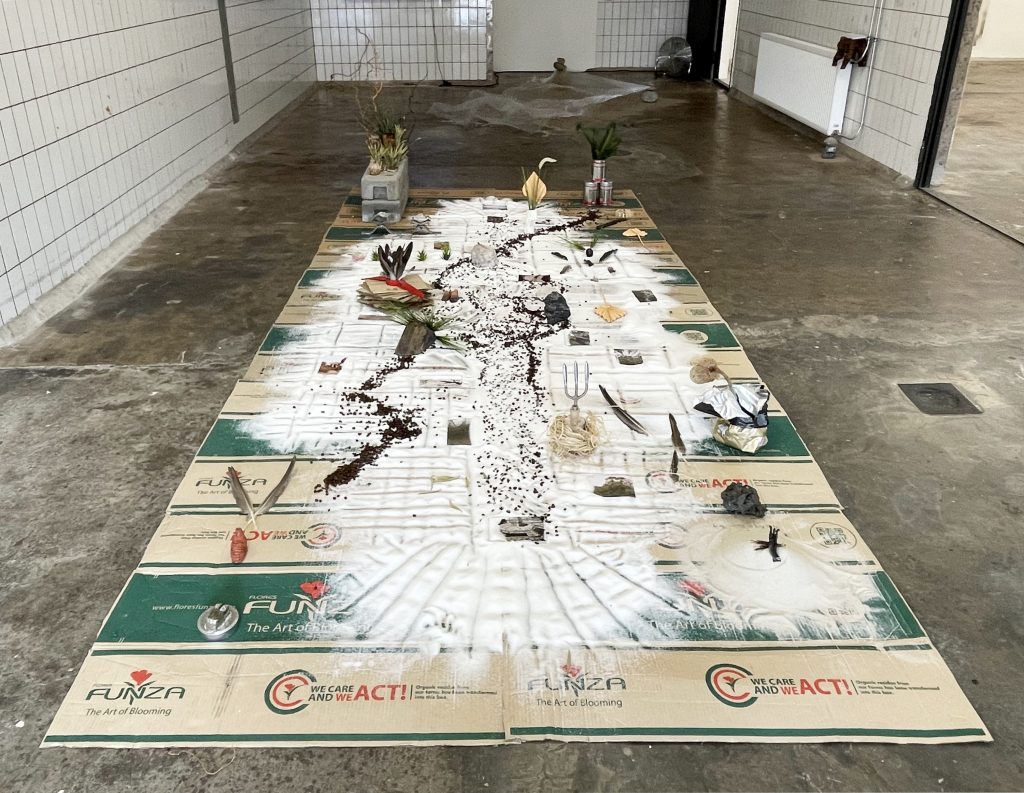
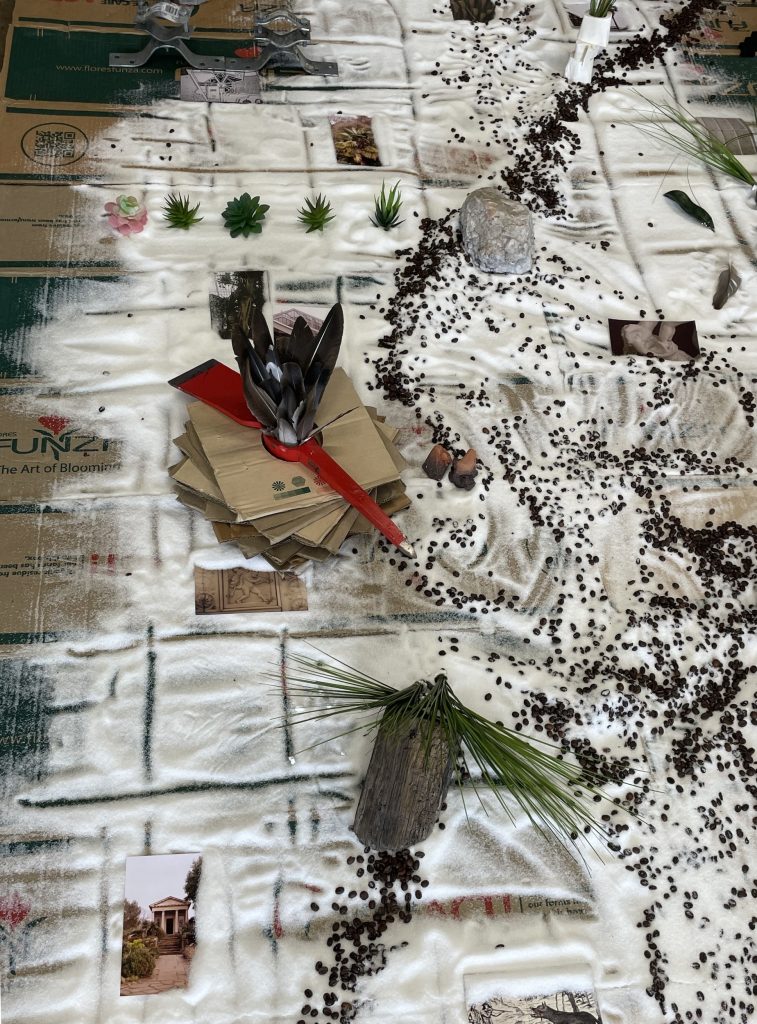
One project space of note is Pitted Dates. Founded by Sakari Tervo in 2023, this initiative is a curated platform for group exhibitions situated in a used slaughterhouse in Teurastamo. While the location may seem unusual, after seeing “Another Name For Beauty” (10 April – 17 May 2026) and Else Collective’s “Yet, Still” (23 June – 9 August 2026), I’ve concluded that it’s a very serviceable space. Moreover, Else Collective’s take on the gallery/open studio show was particularly interesting, since its members have been simultaneously using it for a residency and preserving Pitted Dates’ regular opening hours.
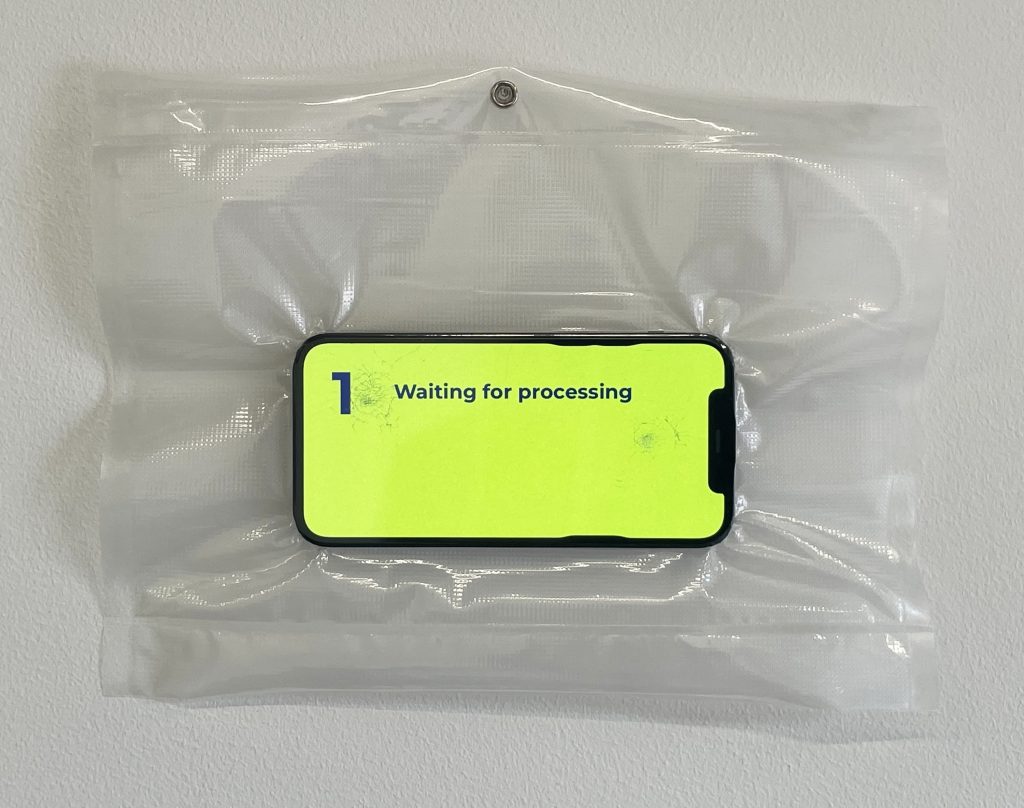
Having chatted briefly with Else Collective members Phan Nguyen (VN/FI) and Soko Hwang (KR/FI) on a recent Sunday afternoon visit, I learned that the arrangement enables the artists to focus on developing their ideas and present an evolving series of artistic outcomes to the public – a time lapse-like process that corresponds to and manifests the notions of ‘thus far’ and ‘in addition to this’ conveyed via the project’s title. Fortunately, the conversation also prevented me from missing the sound work and writing excerpts by Andrea Coytzi Borja (MX/FI), which were located in a traditionally inaccessible space – Pitted Dates’ office. Finally, considering the diversity and quality of the works on view, and that the gallery was primarily functioning as a temporary studio, I was taken by how they sat together. Other members of the collective are Aala Nyman (FI), Dud Nabel (SE/FI) and Alexandra Mitiku (KR/ET/FI).
Though many places deserve to be mentioned, there isn’t room for that here. But what is important for anyone new to the city is being able to find one’s way around. For this reason, I must recommend visiting SHAPE’s website, since it is one of the easiest ways to tap into what’s happening. SHAPE was founded by PUBLICS and Kohta. PUBLICS is a curatorial and contemporary art commissioning agency with a dedicated library, exhibition space and event space located in the Helsinki’s Vallila district. Its Artistic Director is Paul O’Neill (IE/FI). Kohta, on the other hand, is a privately initiated kunsthalle located quite close to Pitted Dates in Teurastamo. It is known for exhibiting Finnish contemporary artists and introducing the work of numerous international contemporary artists to Helsinki.
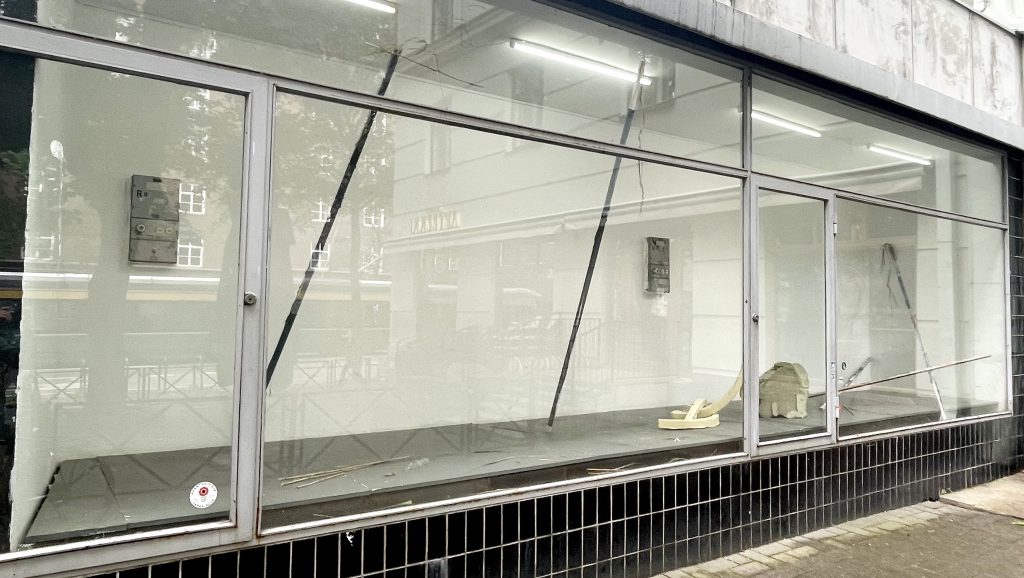
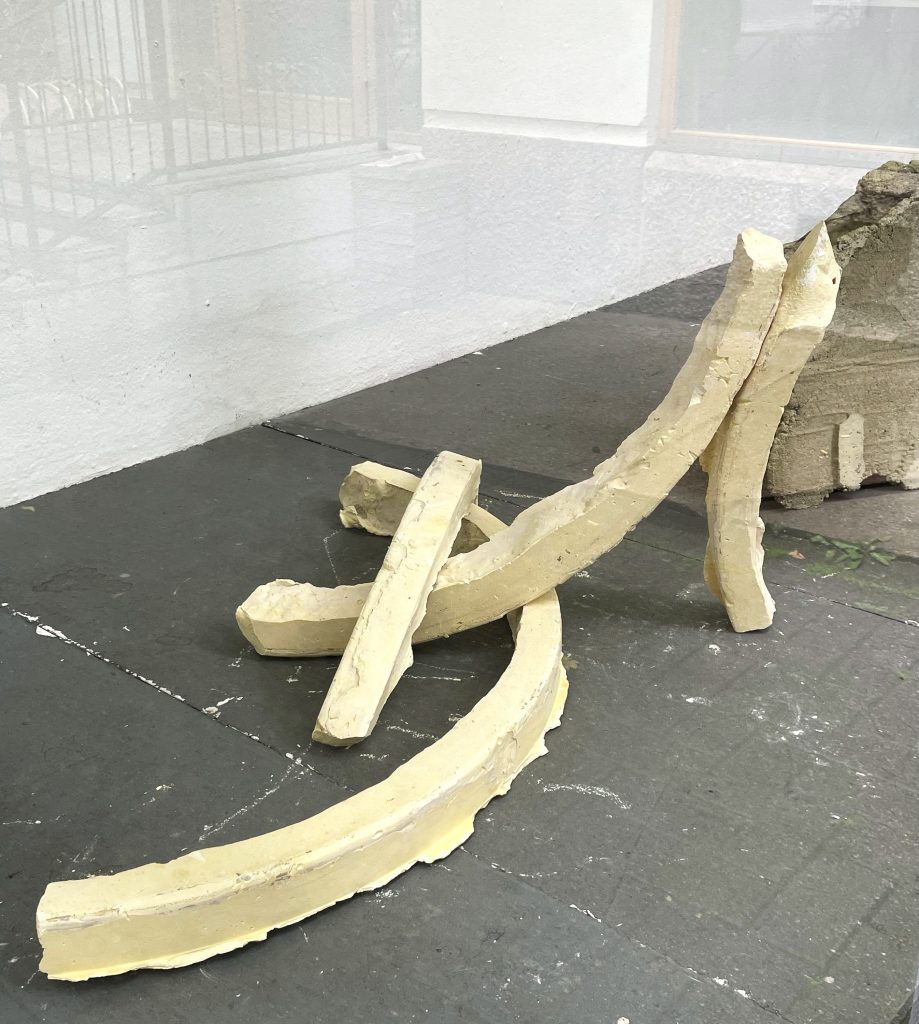
SHAPE is an acronym for ‘Spaces, Helsinki, Art, Projects, Events’ and posts its listings in English. There you will find virtually the entire gamut of art spaces, from museums to window galleries – such as Alkovi, currently showing Aala Nyman & Tuomas Lehtomaa’s “Season” (4 March – 23 August) 24 hours/day – and artist-run centres, among them Yö Galleria, Forum Box, SIC, and Galleria Huuto. Galleries linked to the national artists’ associations, such as the Association of Photographic Artists’ Hippolyte Gallery, and MUU Helsinki Contemporary Art Centre, which is governed by the interdisciplinary Artists’ Association MUU, are be found there. The only noticeable paucity seems to be among the commercial galleries, though two of the city’s stalwarts – Galerie Anhava and Galerie Forsblom – are listed. Lastly, initiatives, such as Helsinki Art Walk, a Sunday afternoon event that offers participants guided tours to galleries located in Kamppi and the Cable Factory one or twice a month, is another facet of the directory’s content. One of the artists who leads this tour is the affable and well-informed Helsinki-based Irish artist Jane Hughes.
Ultimately, over the three decades during which I have been moving in and out of Helsinki, its art scene has expanded and diversified significantly. And though trying to keep up with it all is nigh impossible, the incentive of trying to keep up with it is a welcome challenge.
Text and photos by John Gayer. John is an artist and writer based in Helsinki. His writing has appeared in Sculpture Magazine, Paper Visual Art and The Visual Artists’ News Sheet (VAN).
What do you think?